Cost-Effective Deck Builder Services: Quality Answers for Every Budget
Cost-effective deck builder services deliver sensible approaches for property owners wanting to elevate their outdoor living areas without overspending. These builders prioritize durability and value, using cost-effective materials to build long-lasting structures. Nevertheless, grasping the complexities of deck building and the elements affecting costs is crucial. When homeowners consider their choices, they could realize that the right choices can deliver both elegance and usability in their exterior spaces. What steps should they take next?
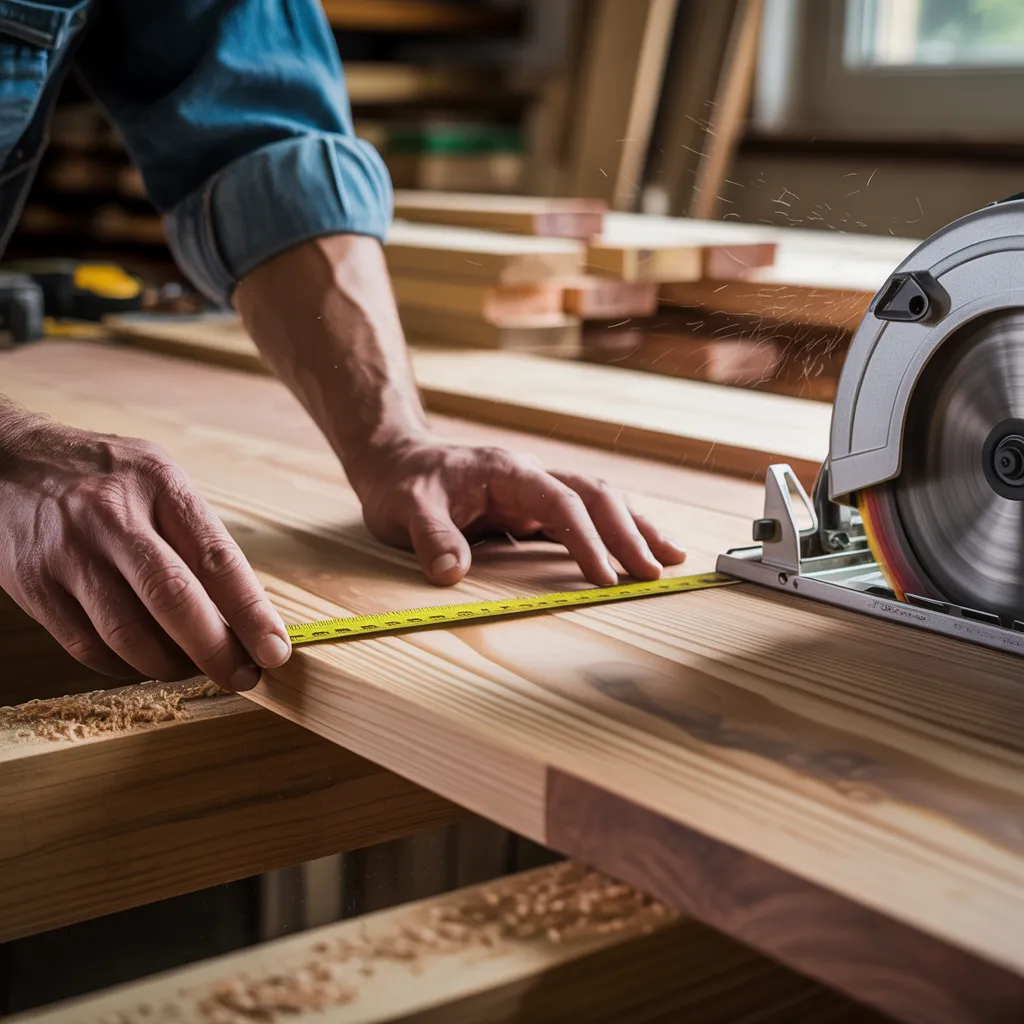
Why Budget-Friendly Deck Builders Are the Key to Overcoming High Costs
For many homeowners who dream of a gorgeous outdoor deck, the steep prices linked to standard construction practices can often stand in the way. Budget-friendly deck builders offer a practical answer to this challenge, delivering superior workmanship without the excessive cost. These skilled experts employ budget-conscious materials and efficient construction methods, enabling them to deliver impressive results within budget constraints.
Understanding the Cost Factors in Deck Building
When building a deck, the choice of materials greatly influences overall costs. Various options, from cost-effective composite options to top-quality hardwoods, can define the project's financial scope. Furthermore, knowing the labor expenses involved is important, as they differ based on the overall design complexity and the skill level required.
Material Choice Impact
Choosing the right materials is essential in determining the overall cost of deck building. Various materials offer different price points and longevity, affecting both upfront costs and ongoing upkeep. As an example, treated wood is generally more budget-friendly at first but often demands consistent care, while composite materials, though pricier initially, tend to last longer with minimal maintenance. Furthermore, selecting the right railing, deck thickness, and surface finishes can significantly impact expenses. Premium hardwood materials offer visual elegance but carry elevated price points. At the end of the day, recognizing the interplay between quality, durability, and financial constraints helps homeowners make educated decisions, ensuring that their deck meets both functional and financial requirements. Material selection plays make a move a pivotal role in achieving an affordable yet durable outdoor space.
Labor Cost Analysis
Labor expenditures account for a substantial share of the total cost in deck construction. These expenditures generally cover several elements, including the experience and skill level of the builders engaged. Highly skilled professionals may command higher fees due to their expertise, which can lead to a more streamlined and exceptional outcome. Additionally, the intricacy of the design of the deck can affect labor costs; complex designs necessitate more hours and technical know-how. Geographic location also has an impact, as labor rates fluctuate considerably across diverse locations. Finally, the timeline of the project affects expenses; longer timelines may cause increased labor costs. Understanding these factors helps homeowners make informed decisions when planning their deck construction projects.
Essential Qualities to Look for in Deck Building Services
When looking for deck building services, recognizing the fundamental traits of a trustworthy contractor is critical for achieving a positive outcome. First, experience is of paramount importance; established contractors bring valuable expertise that can prevent common pitfalls. Additionally, strong communication skills are essential, enabling clients to convey their requirements and stay informed during the project. Additionally, a reputable contractor should offer a portfolio showcasing previous work, demonstrating their craftsmanship and design capabilities.
Furthermore, verifying licensing and insurance safeguards homeowners against potential legal and financial liabilities. Pricing transparency is equally important; a reliable contractor offers clear estimates and outlines any extra costs from the start. To conclude, positive customer reviews and testimonials reflect a contractor's reliability and quality of work. By prioritizing these important characteristics, homeowners can arrive at educated decisions, ensuring that their deck-building project is executed efficiently and meets their expectations.
Select Budget-Friendly Materials for Your Deck
When choosing materials for a deck, homeowners frequently encounter the dilemma between composite and traditional wood materials. Knowing the advantages and disadvantages of each can lead to more economical decisions. Exploring various cost-effective materials is crucial for building a attractive and sturdy outdoor space without overspending.
Composite vs. Wood Alternatives
Picking the right materials for a deck can greatly influence both its longevity and overall cost. Composite lumber, made from a combination of wood fibers and plastic, offers a low-maintenance solution to traditional wood. It withstands rot, splintering, and insect damage, making it an attractive choice for many homeowners. However, composite products can be more expensive upfront.
On the other hand, wood options, such as pressure-treated lumber or cedar, offer a timeless aesthetic and can be more affordable initially. Yet, they typically demand greater upkeep, including regular staining and sealing, to preserve their condition over time. At the end of the day, the determination between composite and timber alternatives is influenced by a homeowner's financial considerations, intended look, and willingness to invest time in upkeep.
Budget-Friendly Material Choices
Identifying cost-effective material options for a deck can considerably affect both initial costs and long-term satisfaction. Those looking for budget-conscious alternatives often turn to pressure-treated wood, which is economical and delivers resilience with adequate upkeep. Another worthwhile alternative is composite decking, which, while somewhat more expensive initially, offers lasting performance and reduced maintenance needs. Vinyl decking is also becoming increasingly sought after due to its ability to withstand weather and pests, making it a sensible, easy-care choice. Additionally, reclaimed wood can be both budget-friendly and eco-conscious, offering unique character to a deck. By carefully selecting these materials, homeowners can balance aesthetics and budget, ensuring a rewarding outdoor area that endures over the years without straining finances.
Customization vs. Pre-Made Designs: Which One Matches Your Budget?
In what way can homeowners decide if customization or standard designs are most appropriate for their budget? This decision often copyrights on personal preferences and financial constraints. Standard designs typically offer cost-effective solutions, as they utilize pre-existing templates and materials. Homeowners may pick from an array of tried-and-tested styles, resulting in speedier installation and decreased labor costs.
On the other hand, customization provides a unique appeal, matching the deck to distinct preferences and targeted demands. However, this frequently involves additional costs, as it requires specialized materials and detailed craftsmanship that can considerably elevate overall expenditures.
To arrive at a well-informed decision, homeowners should evaluate their finances, weighing both immediate costs and future value. Evaluating how much they are willing to invest in aesthetics versus practicality can produce a thoughtful and practical conclusion. In the end, understanding the trade-offs between standard and customized options is critical to creating a deck that satisfies both aesthetic goals and budget constraints.
Finding Trustworthy Deck Builders in Your Area
When searching for reputable deck builders nearby, many homeowners question what key factors guarantee reliability and quality. One important consideration is credential verification; trustworthy builders usually maintain the required licenses and insurance, providing protection against potential liabilities. Reviews and testimonials from previous clients can offer important insights regarding a builder's craftsmanship and work ethic.
Moreover, a open communication style is vital. Reputable builders take the time to listen to client needs and communicate the project particulars with clarity. Seeking recommendations from friends or family can also lead to trustworthy options, as individual accounts commonly demonstrate a builder's level of expertise.
To conclude, collecting several quotes can help homeowners evaluate services and assess professionalism. By examining these criteria, homeowners can effectively choose a deck builder who satisfies their needs and delivers a successful project completion.
Planning Your Deck Budget
Creating a budget for a deck construction project requires careful planning to ensure that costs align with expectations and financial capabilities. Property owners should first define their complete budget, taking into account both materials and labor costs. Researching various decking materials, like wood, composite, and vinyl, will help in identifying budget-friendly choices that suit personal preferences and long-term goals.
Next, gathering various bids from nearby deck contractors can shed light on labor costs and aid in locating reputable builders. Homeowners should additionally consider extra costs, including necessary permits, planning fees, and likely landscaping changes.
Reserving a contingency fund for unforeseen expenses is essential, as unanticipated challenges can emerge during the project. By carefully evaluating these factors, homeowners can develop a sensible spending plan that empowers them to realize their perfect deck without budget constraints, ensuring a successful project from start to finish.
Key Tips for Keeping Your Deck in Top Shape to Maximize Value
Consistent care is vital for protecting the value of a deck once the investment has been completed. Routine cleaning is essential; clearing away debris and cleaning the surface works to prevent mold and blemishes. Homeowners need to check the deck for evidence of damage, such as loose boards or rusted nails, addressing these issues promptly to avoid costly repairs. Applying a sealant every few years protects the wood from moisture and UV damage, increasing its longevity.
Furthermore, maintaining adequate drainage around the deck avoids water pooling, which can cause wood rot. Throughout the winter season, eliminating snow and ice buildup is necessary to lessen strain on the deck. Finally, using furniture pads can minimize scratches and dents caused by outdoor furniture. By implementing these practices, property owners can preserve their decks with great success, making certain that both curb appeal and their financial investment are protected over the years.

Popular Questions and Answers
What Types of Decks Are Most Affordable to Build?
Timber decks, especially treated lumber, are commonly the least expensive choice. Vinyl and composite materials can be pricier at first but can reduce expenses over time owing to reduced upkeep needs and increased durability.
How Long Does a Typical Deck Building Project Take?
A standard deck construction endeavor usually spans between one to three weeks, based on factors such as size, materials, and weather conditions. Efficient planning and skilled labor can help accelerate the timeline considerably.
Is a Permit Necessary for Deck Construction?
Building permits are generally necessary for deck construction, based on regional guidelines. Homeowners should consult their local building authority to clarify the necessary requirements, ensuring compliance and avoiding potential fines or project delays while completing the project.
Can I Build My Own Deck to Save Money?
Indeed, homeowners can take on deck construction to reduce costs, so long as they hold the proper abilities and know-how. However, they must be aware of applicable local rules, ensure structural safety, and account for possible ongoing maintenance expenses.
What Kinds of Warranties Are Typically Offered by Deck Builders?
Deck contractors commonly provide warranty coverage for materials and workmanship, generally covering a period of one year to a decade. Certain contractors may additionally offer extended warranties for specific products, ensuring protection against defects and enhancing customer confidence in their services.